



By Satori Naito – Tokyo 6rd March 2026
As the world marks International Women’s Day, the spotlight once again falls on gender equality in sports. We sat down with the leaders of the Japanese Center for Research on Women in Sport (JCRWS) to explore how they are using integrated research to help female athletes break through long-standing invisible barriers.
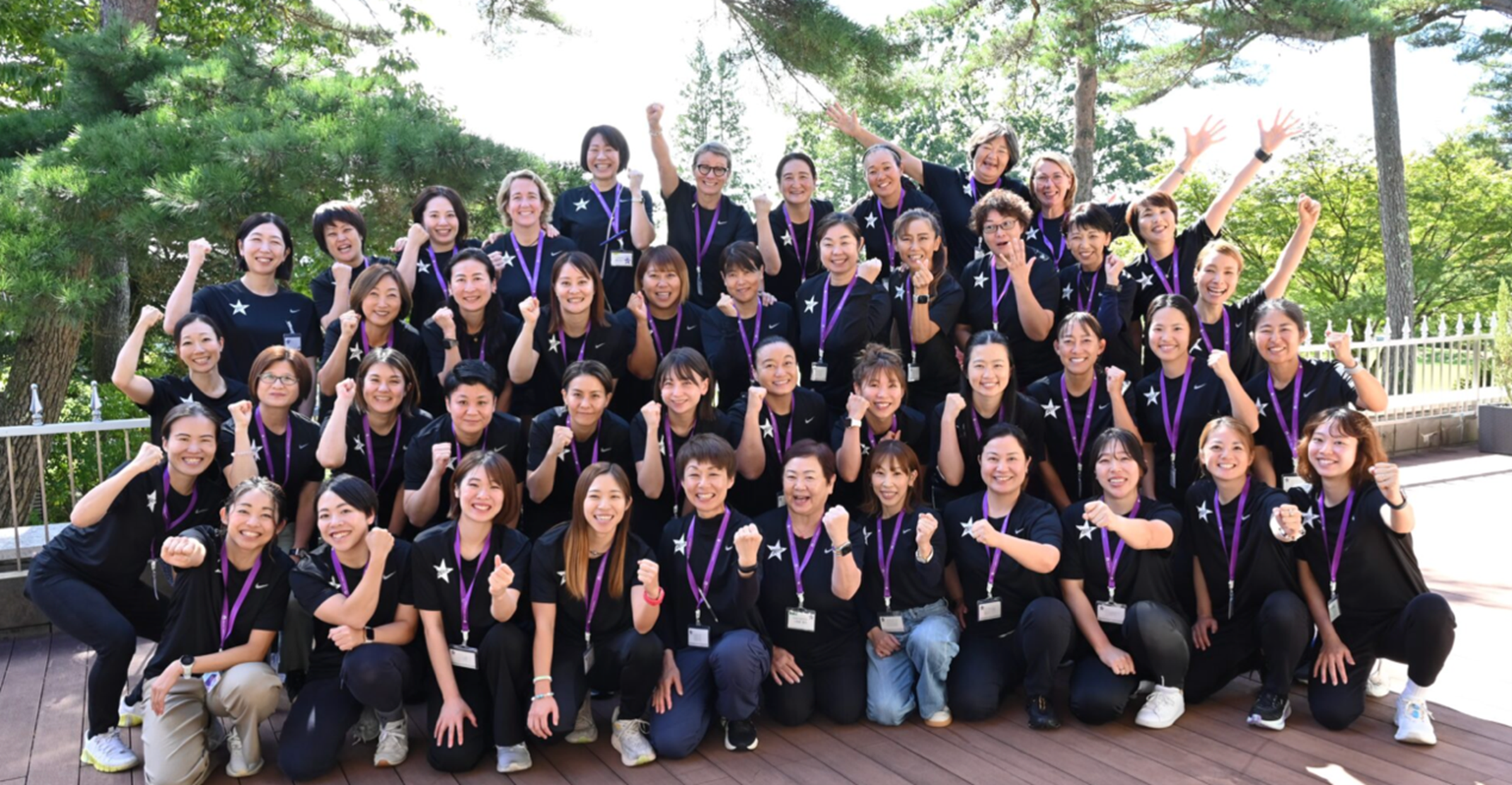
Established in 2014 through a national initiative supported by Japan’s Ministry of Education, JCRWS has grown from a government-supported project into a comprehensive institution. The center works directly with student-athletes, coaches, and medical staff at Juntendo University. Many of the systems developed by JCRWS are applied within the university’s sports teams, enabling research findings to be tested and improved in real training environments. This connection allows JCRWS to not only produce academic knowledge but also contribute directly to the development and health of university athletes.
A recent development highlights the center’s expanding vision. In February 2026, JCRWS expanded its Preparticipation Physical Evaluation (PPE) system—originally designed for female athletes—to include male athletes as well. The system provides a comprehensive online health screening that evaluates risks such as concussion, cardiovascular conditions, chronic illness, menstrual health, and stress fractures.
“This is a special health check-up made for athletes,” says Deputy Director Natsue Koikawa, “ The goal is simple, all athletes regardless of gender should be able to play sports in a healthy condition.”
Notably, JCRWS developed the PPE system in collaboration with Penn State University, demonstrating the center’s growing international research network. “we actively connect with the world and build strong global collaborations.” expressed by Director Etsuko Ogasawara. “The special point of JCRWS is that we do not only do research and write papers. We always try to turn research into real products that people can actually use.”
Transforming Research into Practical Tools
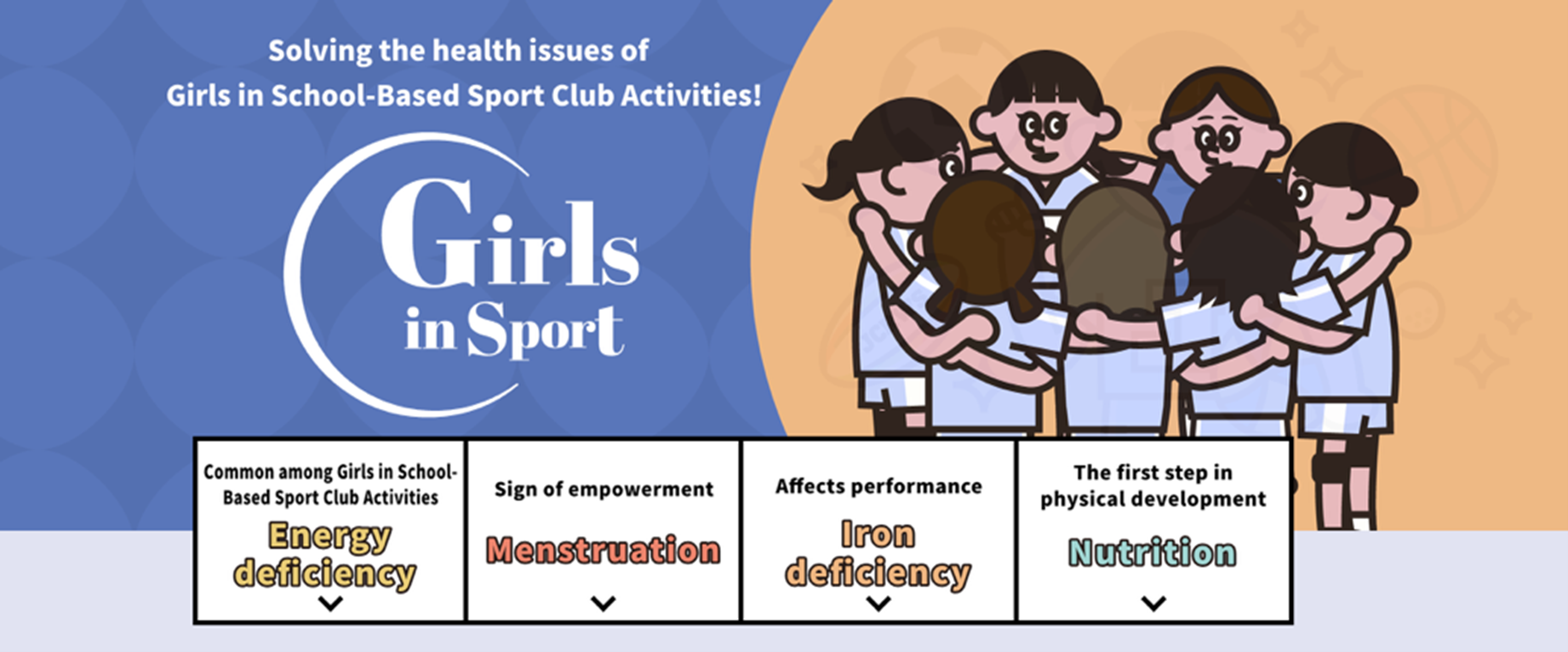
The center’s commitment to translating research into societal benefits is further demonstrated by the launch of “Girl in Sport.” Deputy Director Natsue Koikawa explained, “This project is for junior high and high school students. We share videos and provide easy-to-understand health information for young female athletes.” She further noted that the initiative includes an e-learning platform where anyone can study health topics and take quizzes, adding, “Coaches who teach female athletes can also use this e-learning to improve their knowledge.”
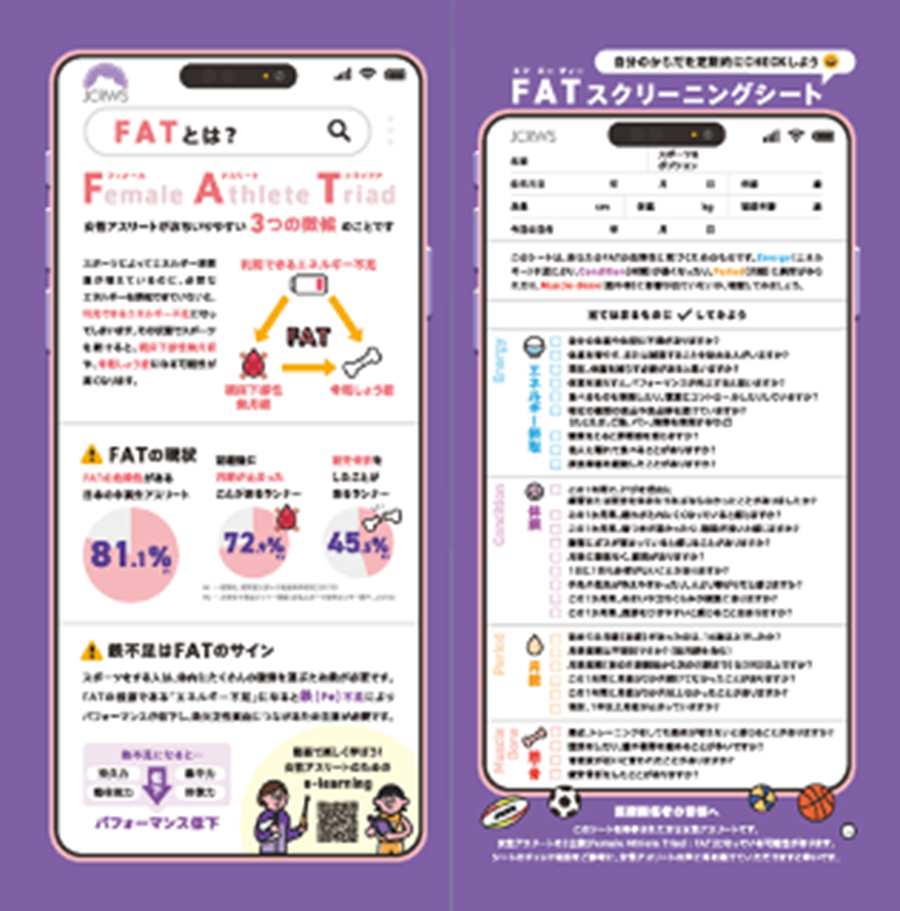
Another example is the FAT Screening Tool, which is a web-based system created to identify risk factors related to the Female Athlete Triad. While similar tools already existed overseas, the Japanese version was developed by Professor Koikawa to fit the needs of athletes in Japan. The system makes medical information easier to understand and more accessible for both athletes and coaches, lowering the barrier to using scientific knowledge in daily training and health management.
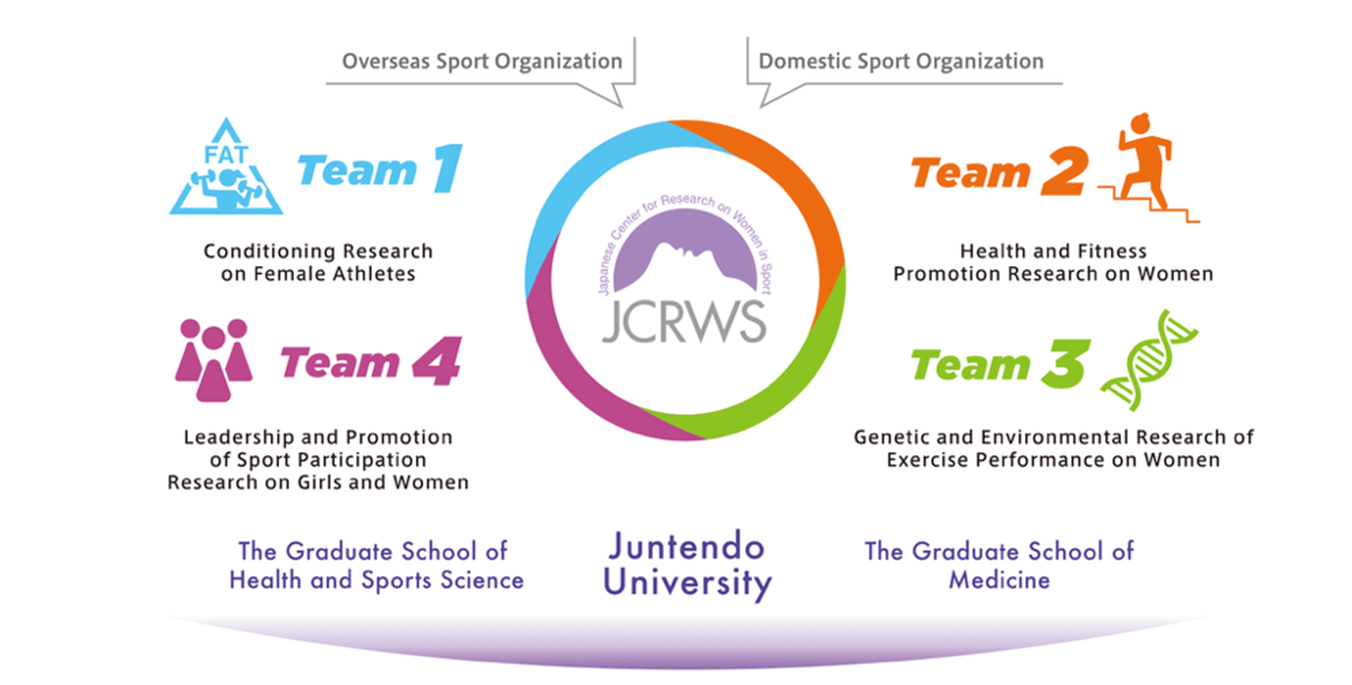
These practical initiatives are grounded in the center’s extensive and diverse research portfolio. The research at JCRWS is structured around four key areas. First, the center focuses on athletic conditioning, ensuring female athletes reach their peak performance safely. Secondly, it advocates for general health promotion, bringing the benefits of fitness to all women. The third team delves into the science of exercise, analyzing how genetics and environment shape physical potential. Lastly, the program prioritizes leadership and social impact, empowering the next generation of female leaders in the sporting world.
Integrated Medical Infrastructure
Furthermore, JCRWS operates in coordination with Juntendo University’s medical institutions. In 2014, the university established Japan’s first specialized outpatient clinic dedicated to female athletes. The clinic provides full medical support, including care for hormone balance, injury prevention, reproductive health, and long-term physical condition. By integrating research, practical tools, and medical treatment, the center has created a support system that is still uncommon among similar institutions in Asia.
Addressing Gender Equality in the Asian Context
While the integration of medical and research tools provides a strong foundation, the leaders of JCRWS emphasize that systemic change requires addressing deeper cultural barriers in Asia. Deputy Director Natsue Koikawa points out that creating the right environment is the essential starting point. “If we want people to want to join sports, we must first prepare the right environment,” says Koikawa. She notes that in many parts of Asia, traditional attitudes still make it difficult for women to stay involved in sports. “I believe it is especially important to create a situation where girls can enjoy sports from a young age and continue doing so in a healthy way throughout their lives.”
Director Etsuko Ogasawara sees reason for optimism, noting recent breakthroughs in leadership, such as Japan’s first female Prime Minister and the respective female presidents leading the JOC and the Track and Field Association. “We have never seen that before,” Ogasawara remarks, highlighting these as signs of a “big improvement.” However, her ultimate vision goes beyond mere representation. “Our final goal is to reach a point where we don’t need to think about gender,” she explains. “We are human; therefore, we have to be treated as humans. With good leaders to change the context and culture, the future will be bright.”
Featured Experts
The center is currently led by Director Etsuko Ogasawara, Ph.D., a Specially Appointed Professor at Juntendo University’s Graduate School of Health and Sports Science. Ogasawara previously served as Co- Chair of the International Working Group on Women and Sport (IWG) and currently serves as Vice President of the Asian Association for Sport Management. Her international engagement reflects the center’s outward-looking strategy.
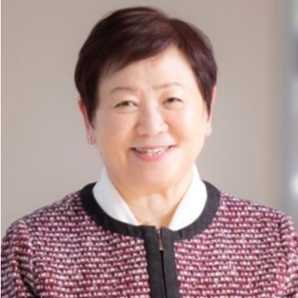
Deputy Director Natsue Koikawa, who is expected to assume the directorship in the future, brings experience as both an academic and a former long-distance track athlete. She also serves as head coach of Juntendo University’s women’s track and field team, positioning her at the intersection of research and elite sport practice.