



By Na-Kyoung Kim, AUSF Student Media Contributor
1 September 2026
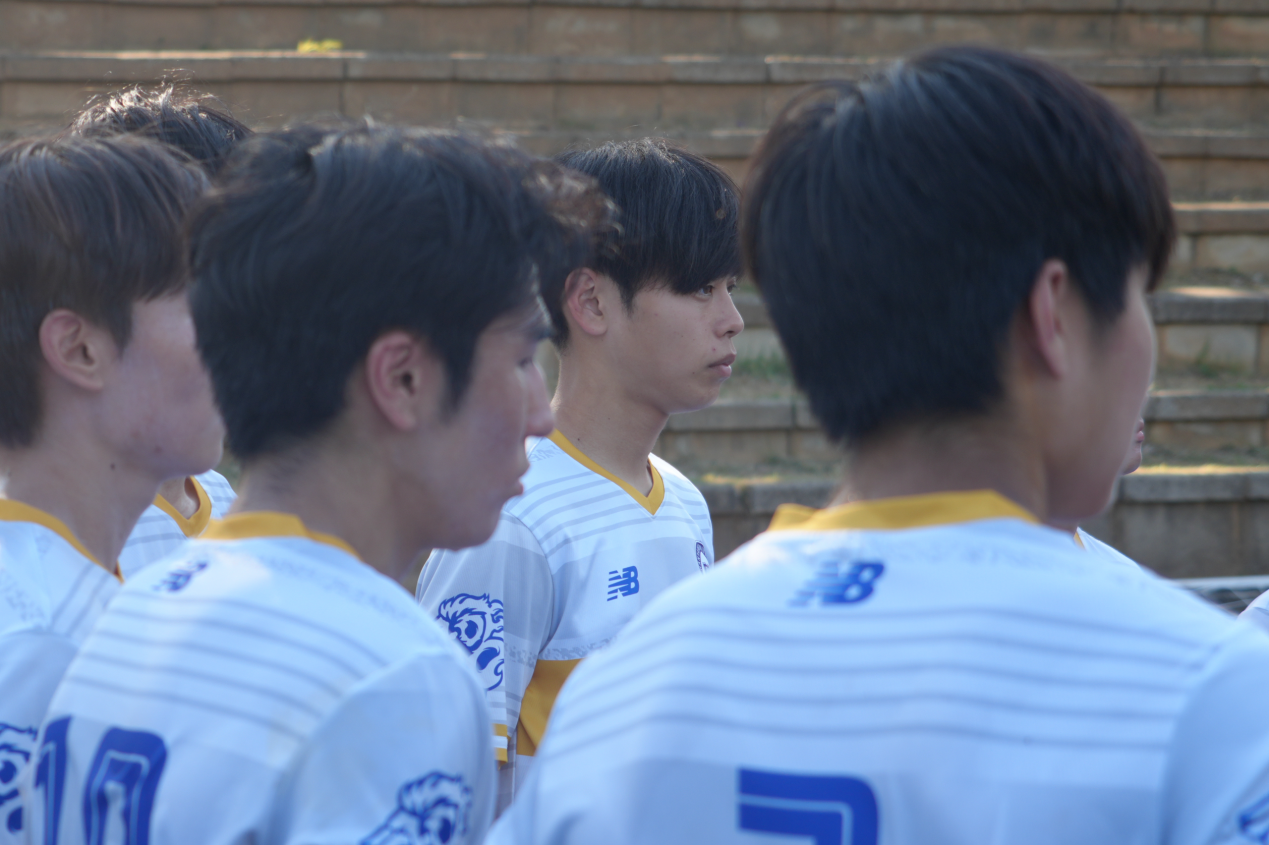
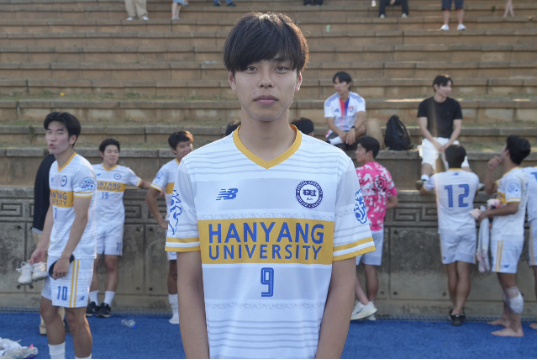
SEOUL, South Korea – There was a time when Hibiki Matsumura nearly stepped away from the pitch. Repeated injuries and an uncertain future left him questioning whether he could continue. But in the end, he chose to continue playing football. In 2026, he left Japan and began writing a new chapter at Hanyang University in South Korea.
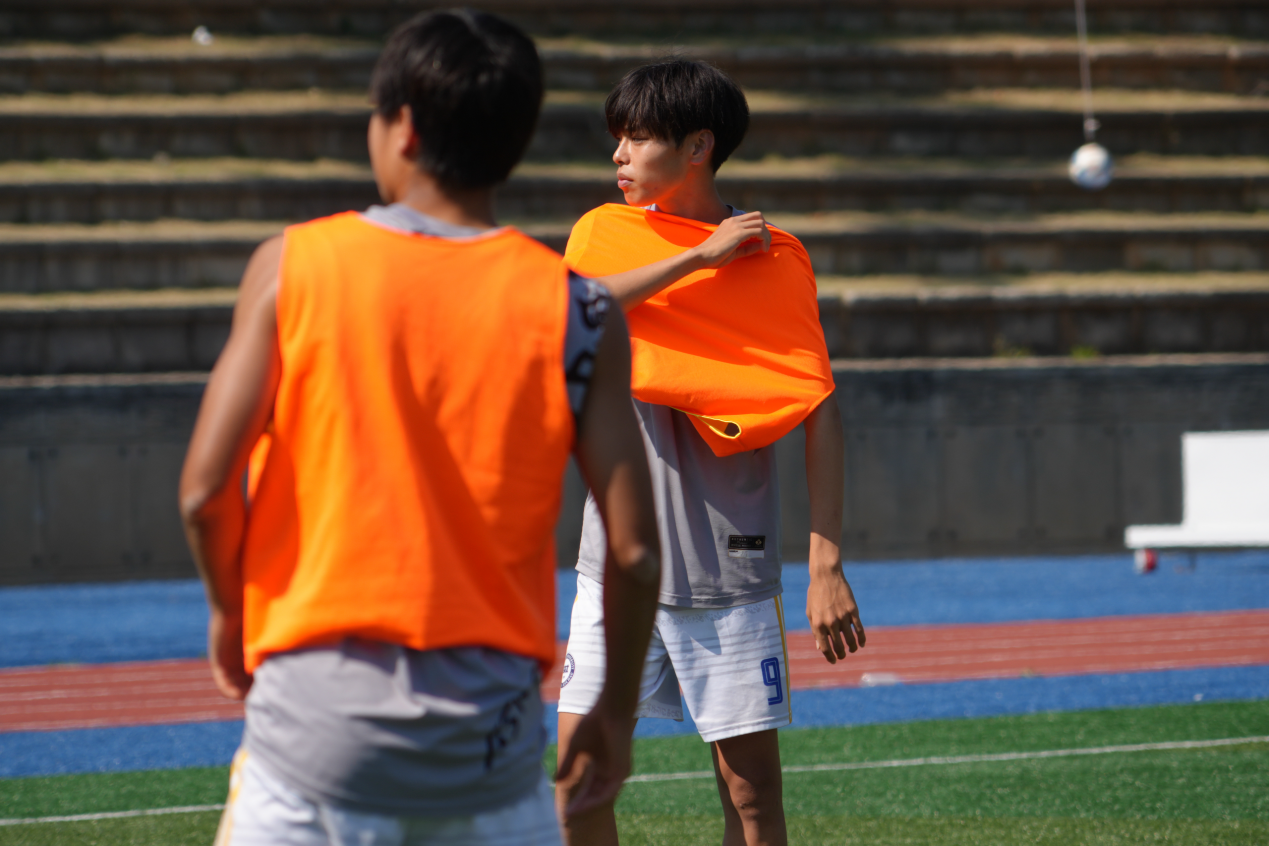
A graduate of Chuo Gakuin High School in Chiba, Japan, Matsumura enrolled at Hanyang University in 2026. Able to play as both a center-back and a defensive midfielder, he is known for reading the game and bringing balance to the team. “I focus on bringing my teammates into the game and helping the team move as one,” he said.
His path has not been easy. Before moving to South Korea, he had already left Osaka to live alone in Chiba for football. That was only the beginning. Injuries followed him throughout high school, repeatedly interrupting his development. After knee surgery, he struggled to return to full fitness and often found himself unable to train or play at his best. “I had so many injuries that I became afraid of getting hurt again. At one point, I even thought about quitting football,” he recalled.
Still, his desire to keep playing never disappeared. Encouragement from coaches, along with an opportunity to pursue his career at Hanyang University, led him to reconsider. Moving to Korea meant starting over in an unfamiliar environment, but he chose to take that step.
“I believed that going to Hanyang University would allow me to grow in a culture and football environment different from those in Japan,” he said. “Of course I felt anxious, but my desire to challenge myself was stronger.”
Adjusting to life in Korea has not been simple. Language barriers have made communication with coaches and teammates difficult. Matsumura has also found Korean football more intense and more physical than football in Japan, requiring him to adapt further.
“At first, it was difficult to adjust to these differences, but I tried to see them positively as opportunities to learn because it was a new environment,” he said.
That mindset has begun to show on the pitch. Matsumura appeared in five of Hanyang’s seven U-League matches in the first half of the 2026 season, earning consistent minutes off the bench. More importantly, he has remained injury-free while gradually finding his place in the team. Hanyang University has also secured a place in the upper split and continues its push toward the championship round.
Despite this progress, Matsumura acknowledged that he still had room to grow. “I still lack full understanding of the team’s tactics compared to other players, and sometimes the language barrier prevents complete communication,” he said. He added that he wanted to improve those areas and contribute more to the team. For Matsumura, football is not merely a sport. He describes it as “a part of daily life and a very important part of it.”
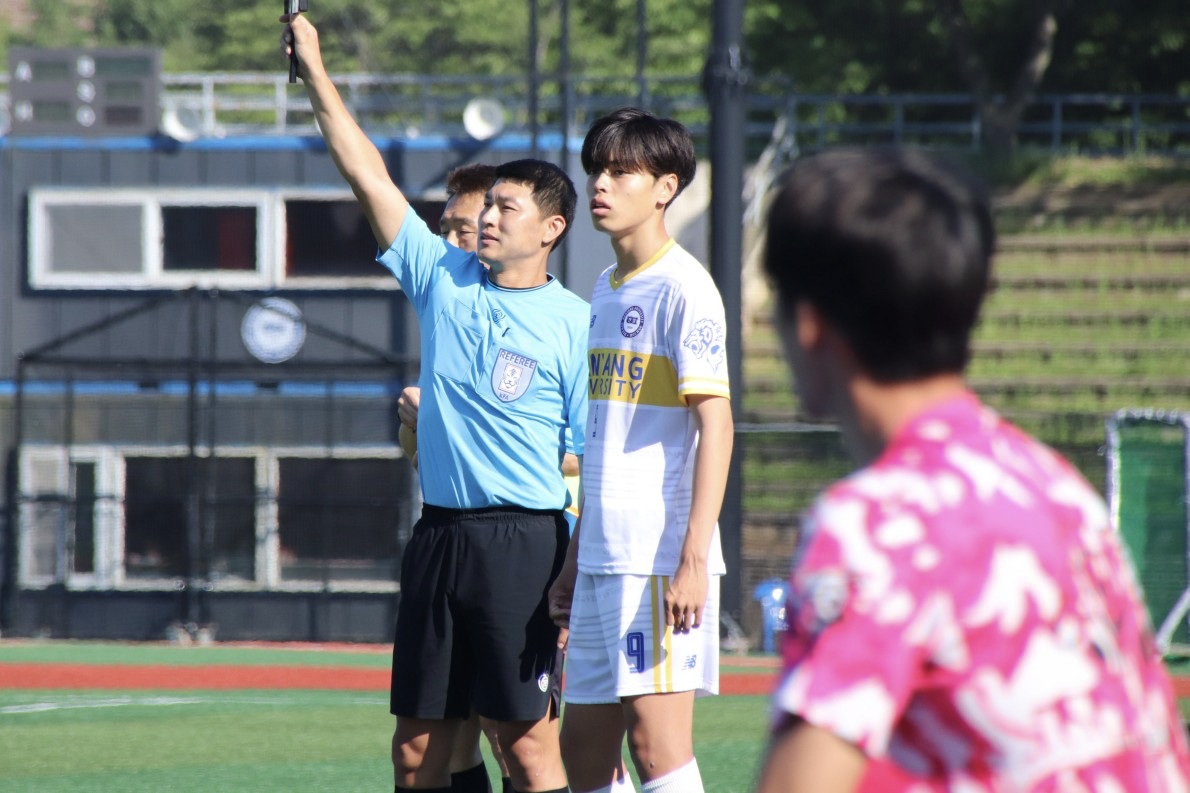
“Because there was a time when I considered quitting, I now treasure each day of training and do my absolute best,” Matsumura said. After overcoming injuries and returning to the pitch, his focus is firmly on what lies ahead. More playing time. A championship with Hanyang University. And ultimately, a place in professional football.
True to his personal motto, “Continuity is strength,” Matsumura moves forward.
His journey, which began in Japan and now continues in South Korea, is still unfolding. But one thing is clear—he is here because he chose not to give up.