




By Reza AbeshAhmadlou, AUSF Student Media Contributor
16 Feb 2026
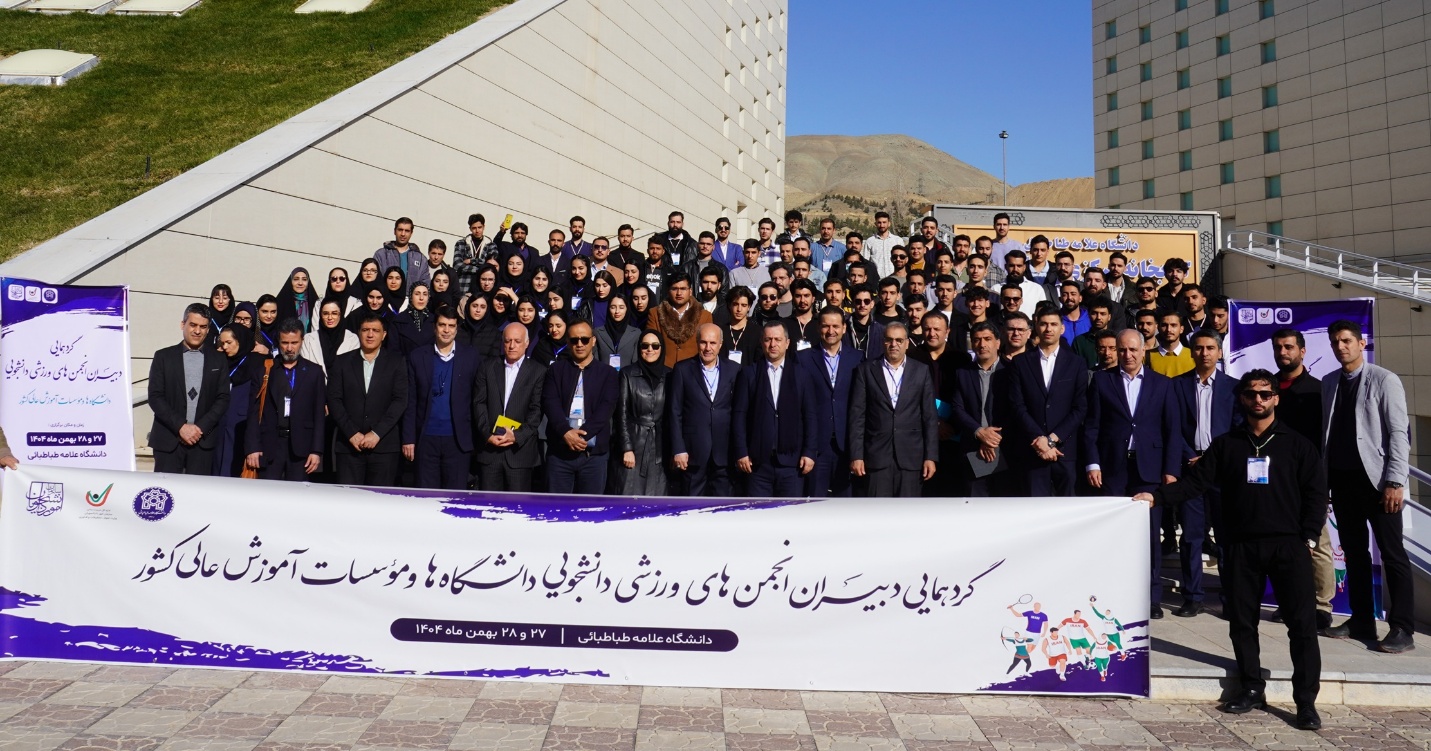
TEHRAN, Iran -““Universities are not merely centers for specialized instruction. They cultivate multidimensional individuals,” said Saeid Habiba, Deputy Science Minister and head of the Organization of Student Affairs of Iran. He spoke during the “Gathering of Secretaries of Student Sports Associations from Universities Across Iran”, an event aimed at strengthening ties between university sports bodies and institutions, while boosting the spirit of volunteerism, leadership and the future of university athletics.
In his opening ceremony speech, Habiba described the importance of student sports associations as “strategic and indispensable partners.” He also called volunteerism “a training ground for social responsibility” and announced a comprehensive revision of association bylaws, telling students, “Do not fear experience. Accept responsibility.”
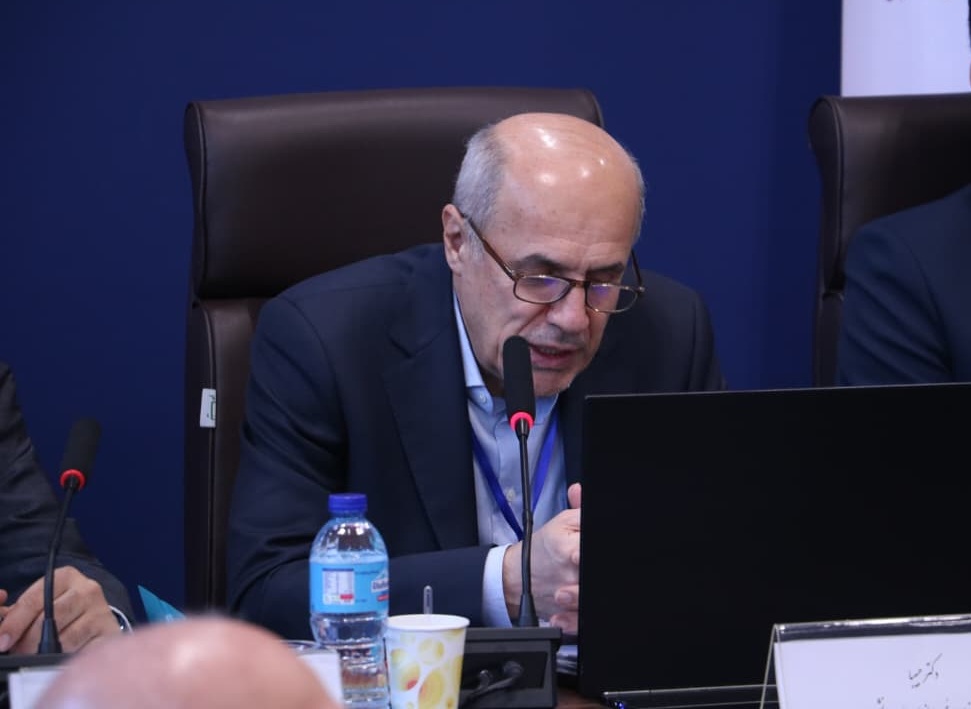
The specific themes of the event, including workshops on volunteerism, leadership, and modern sports journalism, were chosen by the science and sports ministries think-tanks as essential for debate. On the first day, attendees also visited the Iran National Football Camp at Tehran’s Azadi Sports Complex.
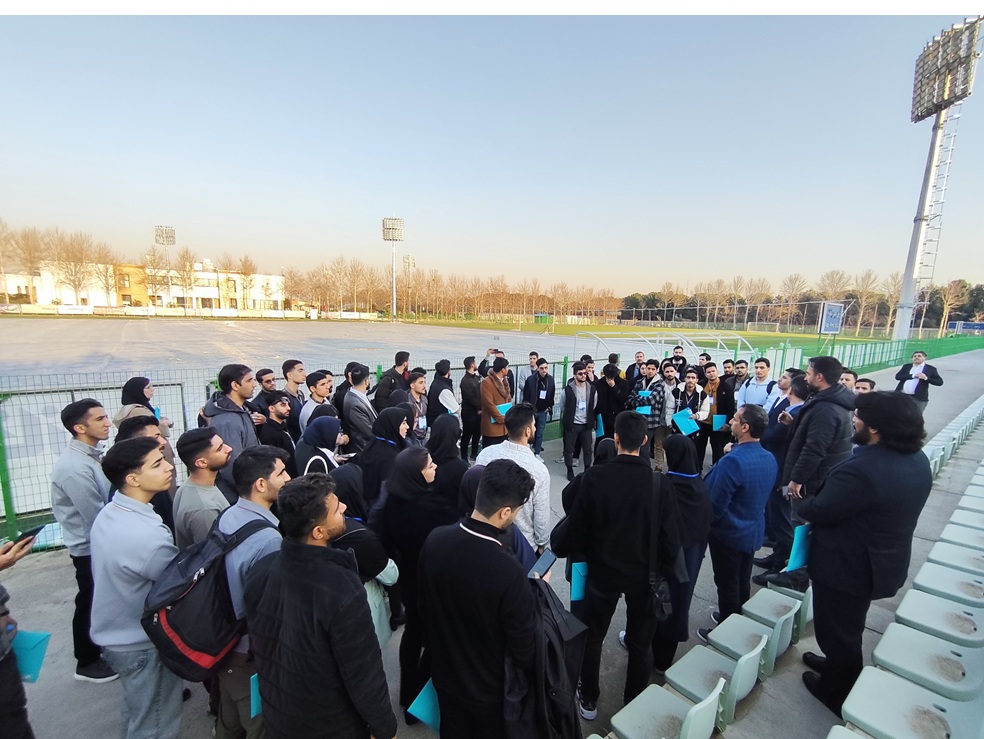
Visit to Iran National Football Camp
Secretaries of student sports associations visited the Iran National Football Camp at Azadi Sports Complex, gaining exposure to the country’s premier football training environment. Operated by the Iranian Football Federation, the facility primarily serves the national team and includes the Iran Football Academy for youth national teams.
During the tour, students visited various professional facilities, including football fields, an indoor futsal pitch, a gym, and specialized support areas such as a medical clinic, classrooms, and dormitories. Organizers said the visit aimed to strengthen ties between university sports bodies and national football institutions.

Youth leadership through sport
Addressing the gathering, Alireza Rahimi, Deputy Minister of Sports and Youth, described university sport as “a shared language” that strengthens belonging, hope and vitality. He emphasized the need for transparent frameworks, institutional support, training and recognition within the sector.
Fariba Mohammadi, President of the Research Institute of Physical Education and Sport Sciences, further defined the personal impact of this work, stating that volunteerism is not merely a résumé but an identity.
Leading volunteers in sport
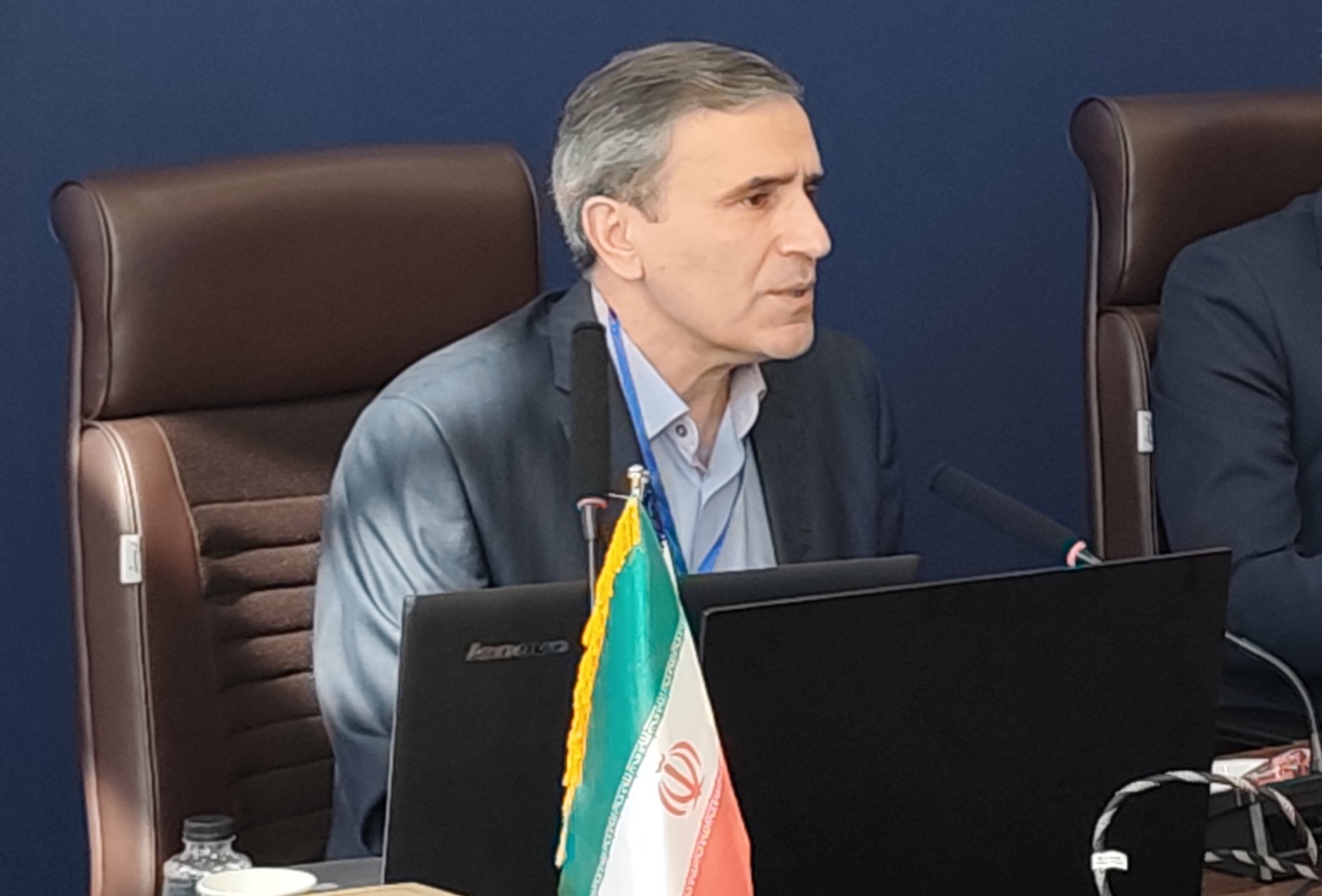
Professor Reza Andam, from Shahrood University of Technology, highlighted essential leadership qualities such as empathy, communication, and adaptability during the first-day workshop. He outlined the leader’s role in managing the volunteer lifecycle, from recruitment and motivation to conflict management and retention. Andam also addressed practical challenges including limited resources and volunteer burnout, while challenging common misconceptions about volunteer management.
Organizational behavior and respect-driven leadership
Professor Mehrzad Hamidi, from the University of Tehran, outlined principles of organizational behavior management, emphasizing the cultural and social benefits of physical education and student sports. He noted that sports foster resilience, teamwork, fairness, self-control and respect for others.
Hamidi explained that effective management depends on human, technical and conceptual skills, with human skills as the key differentiator. He linked positive workplace cultures to beneficial neurochemicals and warned that toxic environments increase stress and reduce engagement. He stressed creating a “circle of safety” built on trust, transparency and mutual respect, while advocating for intrinsic motivation, recognition and clear expectations.

Modern sports journalism
During the only workshop of the second day, Amin Shahsavari, Senior Editor at ISNA news agency, examined the evolving landscape of sports journalism. He cited growing interest in the field alongside digital-era challenges of credibility and legitimacy.
To succeed in this landscape, Shahsavari urged aspiring journalists to define their specialization and preferred platforms while building personal branding and professional networks. He emphasized the importance of consistent news tracking, archiving, and continuous writing to develop subject-matter expertise.
Addressing modern tools, Shahsavari pointed to the creative opportunities in mobile journalism and artificial intelligence, though he cautioned about ethical risks. He reinforced the core structure of news writing and highlighted essential competencies such as critical thinking, fact-checking, and social responsibility.
National student sports elections
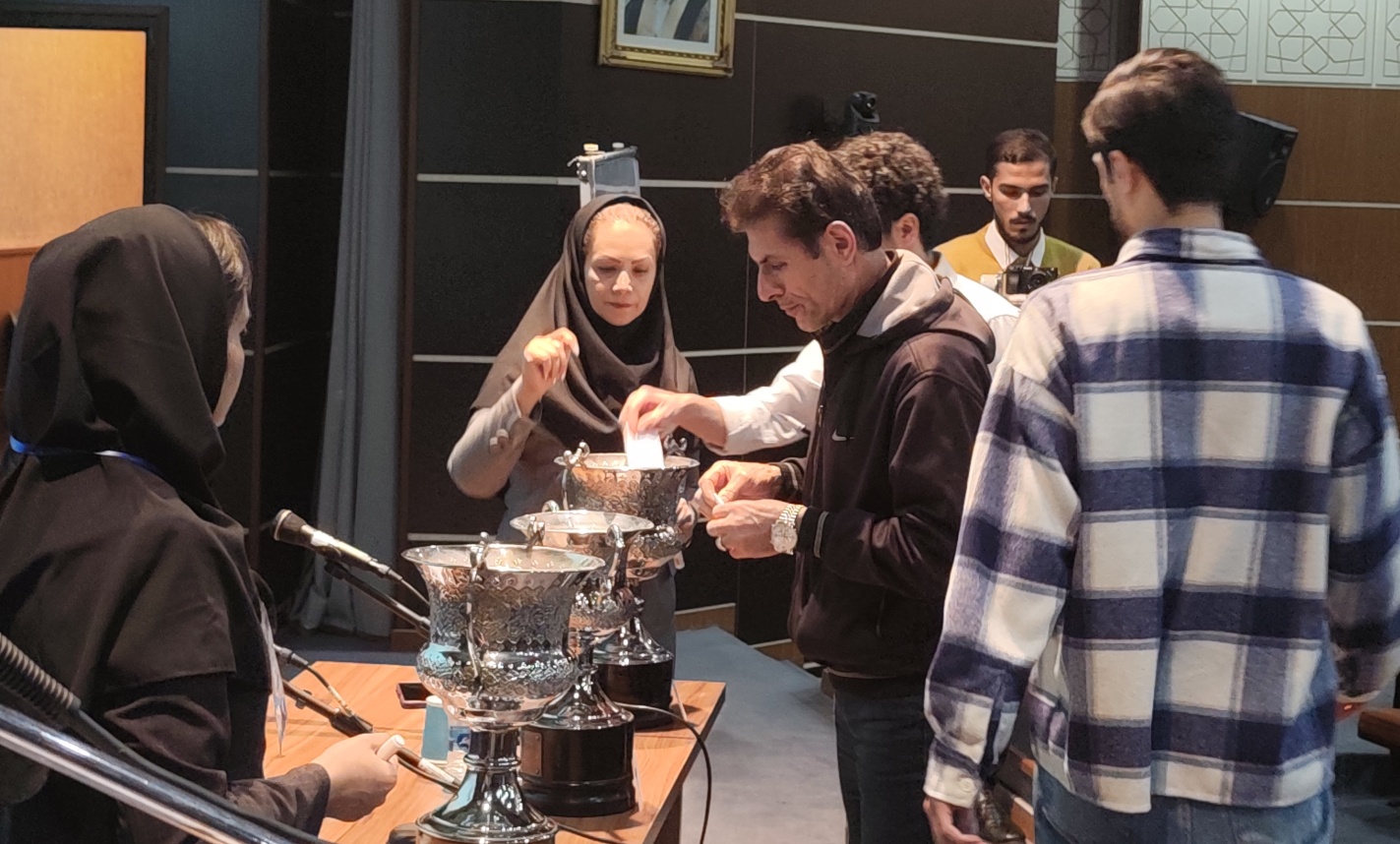
Before the closing ceremony, participants took part in the national student sports association elections to select representatives from the country’s 10 regions. These elections serve as a key step toward organizing, unifying and strengthening the structure of student sports associations across the nation.
Closing ceremony honors participants
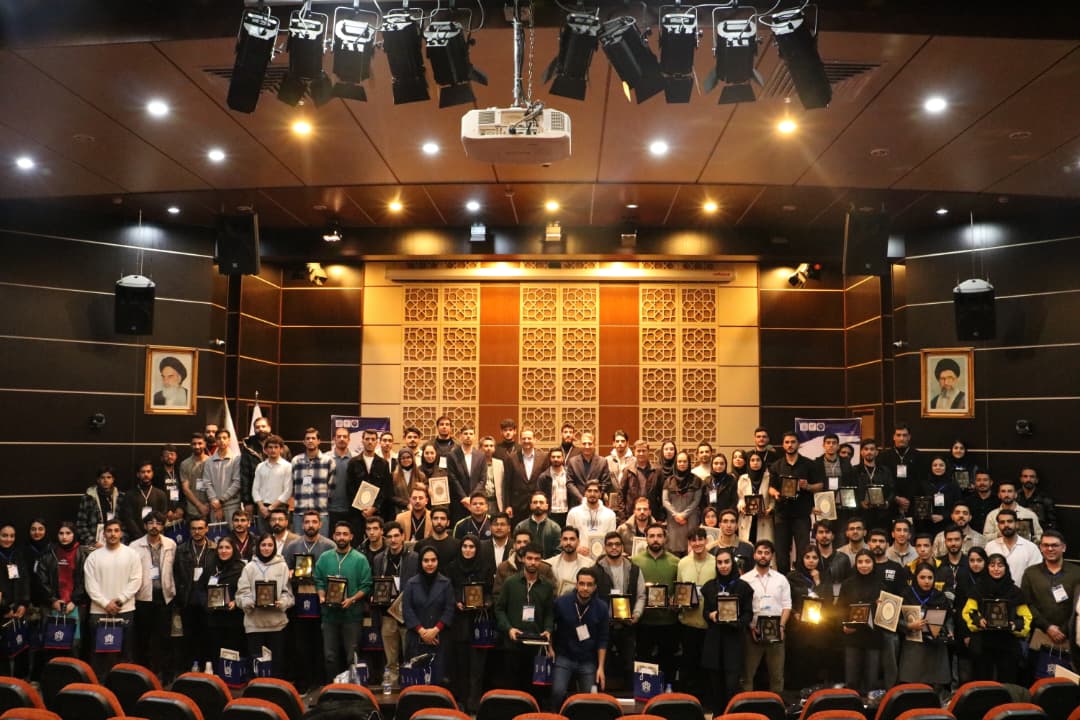
The event concluded with a ceremony attended by Reza Nouri, president of Iran’s National University Sports Federation, where officials honored 82 student sports association secretaries and volunteers. Beyond the awards, organizers emphasized that the meeting successfully facilitated experience-sharing and strengthened professional networks among university sports leaders to promote future collaboration.