




By Ritiz Joshi, AUSF Student Media Contributor
6 May 2026
Nepal – I grew up in Nepal, where discipline and resilience aren’t ideas you learn later—they’re part of everyday life. Over time, those values started shaping how I approached everything, especially sport.
Right now, I’m pursuing my Master of Business Studies at Tribhuvan University. Alongside that, table tennis has been a constant in my life—not just as a player, but also as a coach and now through the work I’m doing to improve access to equipment for athletes here.
Balancing all of this hasn’t been straightforward, but it’s what has shaped me the most.
Where It Started
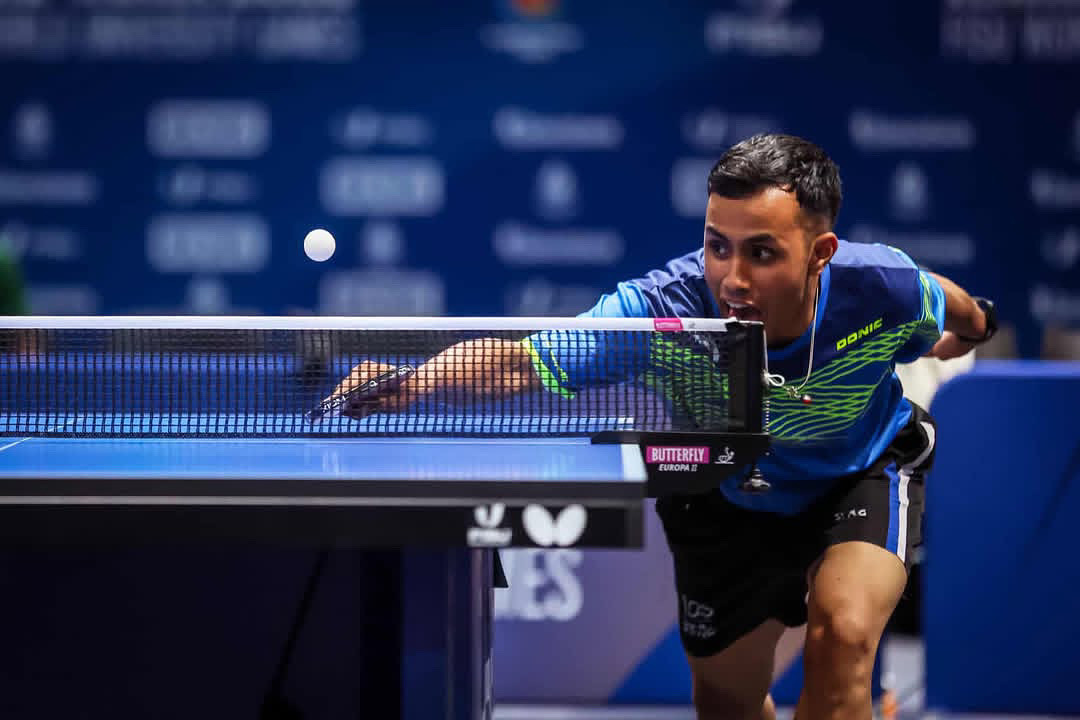
I picked up table tennis at a young age, and it became a serious commitment quite quickly. My routine often started at 5:00 AM, and on most days, I put in four to six hours at the table. Much of that time was not glamorous, as I spent hours repeating the same drills until every movement felt automatic.
One match still stands out to me. I was behind, everything felt like it was slipping, and I could feel the pressure building. That was probably the first time I understood how much of the game is mental. I had to slow myself down, reset, and stay in the match point by point.
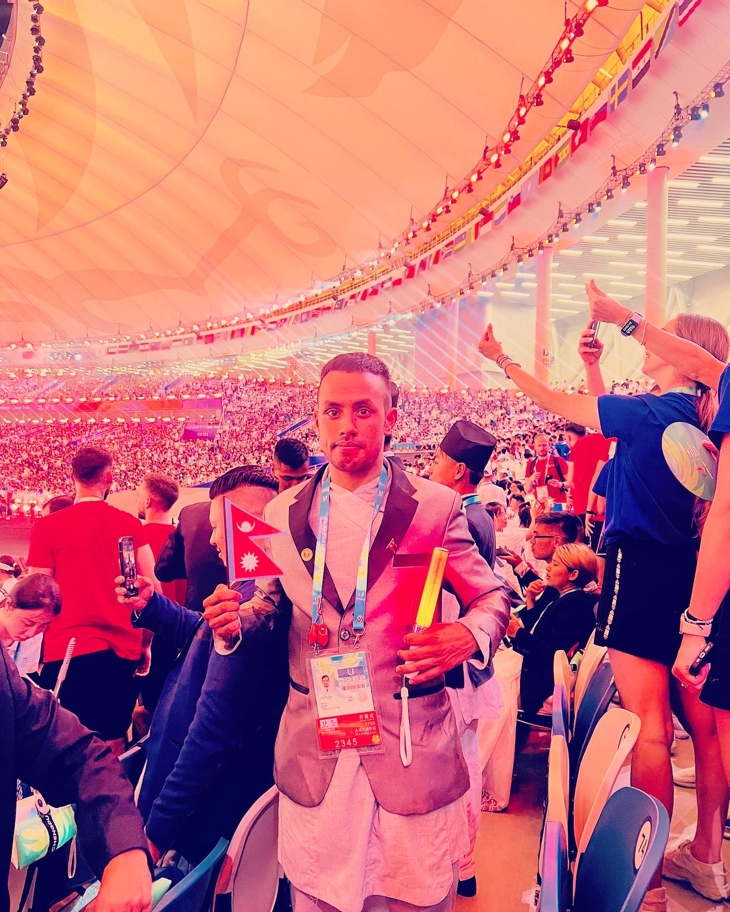
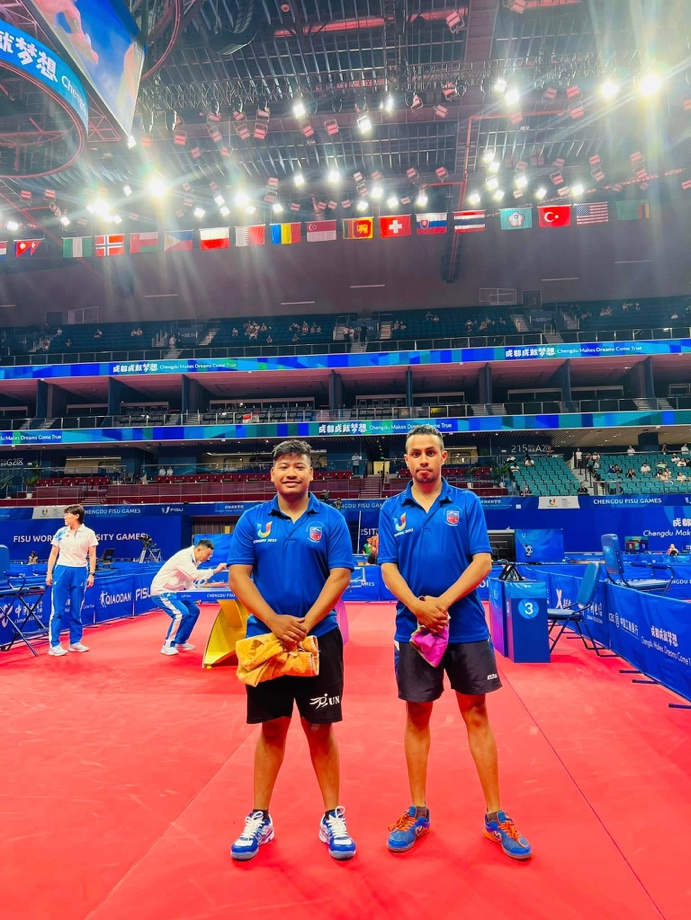
That mental shift stayed with me and eventually defined my approach as I progressed. This growth was put to the test when I began playing for Nepal. Representing my country changed how I saw the sport; it was no longer just about my own performance but about a larger sense of responsibility.
Moving Into Coaching
My transition into coaching happened naturally after several years of competing. For the past six years, I have been working with younger players, which has redefined my understanding of the sport. At first, I thought coaching was primarily about teaching technique, but I soon realized that most of the work involves helping athletes build discipline and consistency.
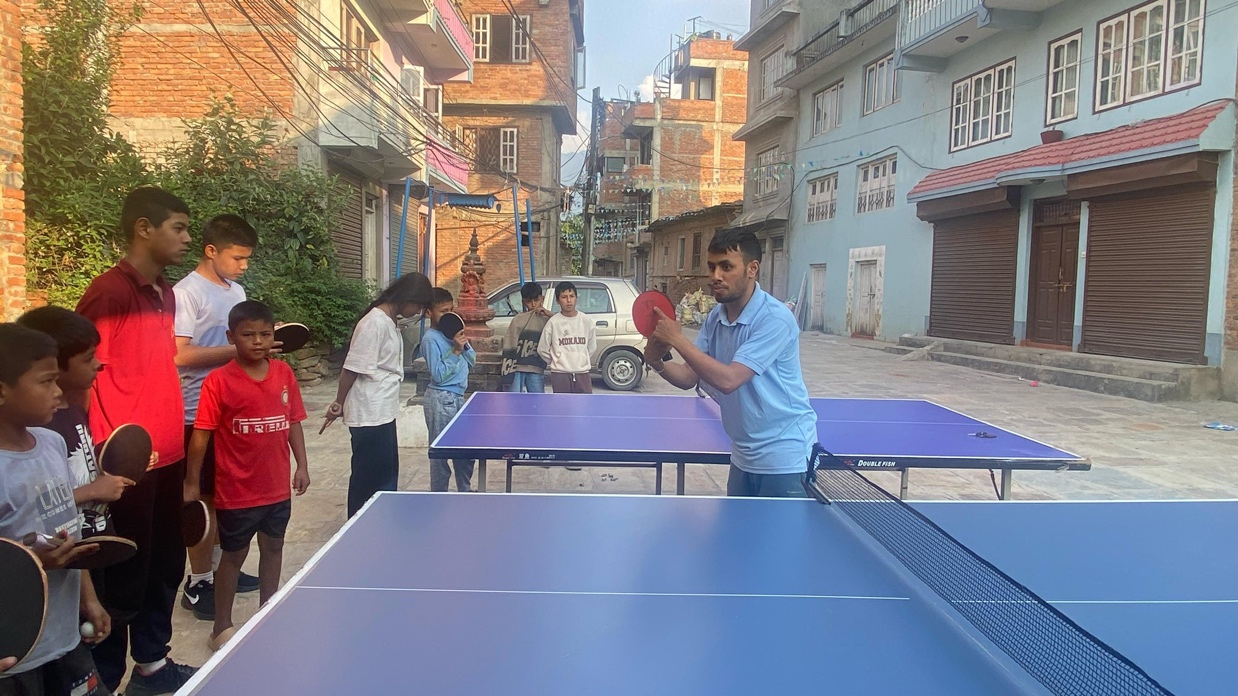
I’ve worked with players who struggled to even control the ball at the start and later became confident competitors. Seeing that progress up close changes how you look at effort and patience.
Balancing the Roles of Student, Coach, and Entrepreneur
Beyond my time on the court, I decided to step into the world of business by focusing on table tennis equipment. In Nepal, access to quality gear can be limited, so I wanted to find a way to bridge the gap between our athletes and professional-level equipment.
This transition felt necessary because, as a coach, I kept seeing the same issue: players simply didn’t have access to good equipment. That is what pushed me to the business side, where the goal was simple: to make better-quality gear more accessible to athletes here in Nepal. For me, entrepreneurship is not about profit alone; it is about impact and empowering athletes to represent our country with confidence.
Managing university alongside these responsibilities has been challenging, but what I study and what I experience overlap a lot. I often learn a concept in class and then see a version of it play out in real business situations. At the same time, being involved in business and coaching makes these academic theories easier to understand. It isn’t always a perfect balance, but the combination is practical.
While I have faced delays and financial pressures, these challenges have forced me to understand the industry at a deeper level. The focus has always remained on solving a problem, not just running a business.
Learning Through the Process
There are parts of this journey that people don’t often see. There have been stretches where I felt physically and mentally drained, unsure if I was handling my multiple responsibilities the right way. Over time, I stopped waiting for everything to feel perfectly under control; instead, I learned to simply adjust and keep going.
Something I wish I knew earlier is that you don’t need perfect conditions to start. I used to think I needed more—more time, better resources, or better opportunities—but most of my progress came from starting with what I had and staying consistent. You figure things out as you go, and that is a lesson I carry with me every day.
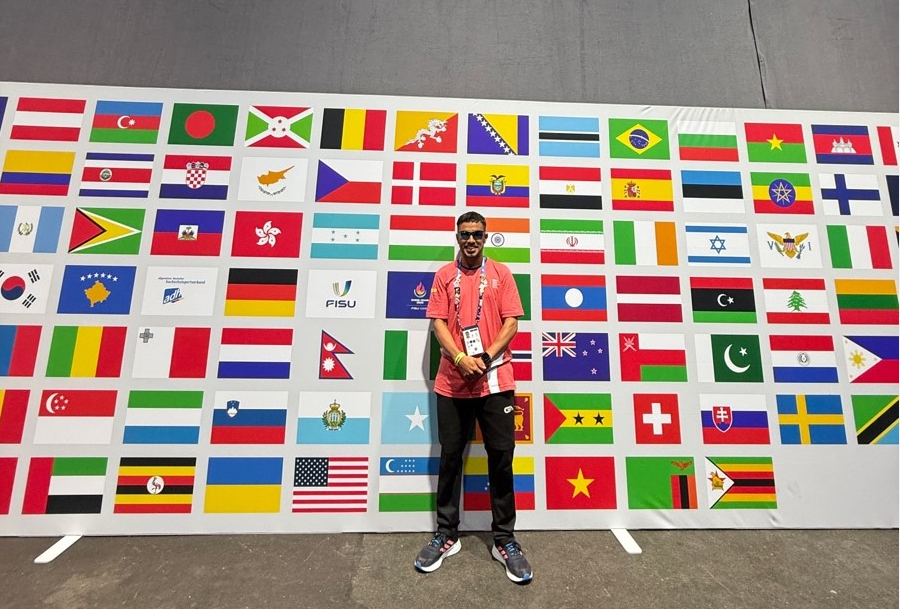
I am still figuring things out, but I am clear about the direction I want to move in. My goal is to keep improving myself through my academics and sport, while continuing to build something that truly helps athletes in Nepal. I want to make quality equipment more accessible and contribute to a future where our players can perform at their best.